Written by The Botanical Glow
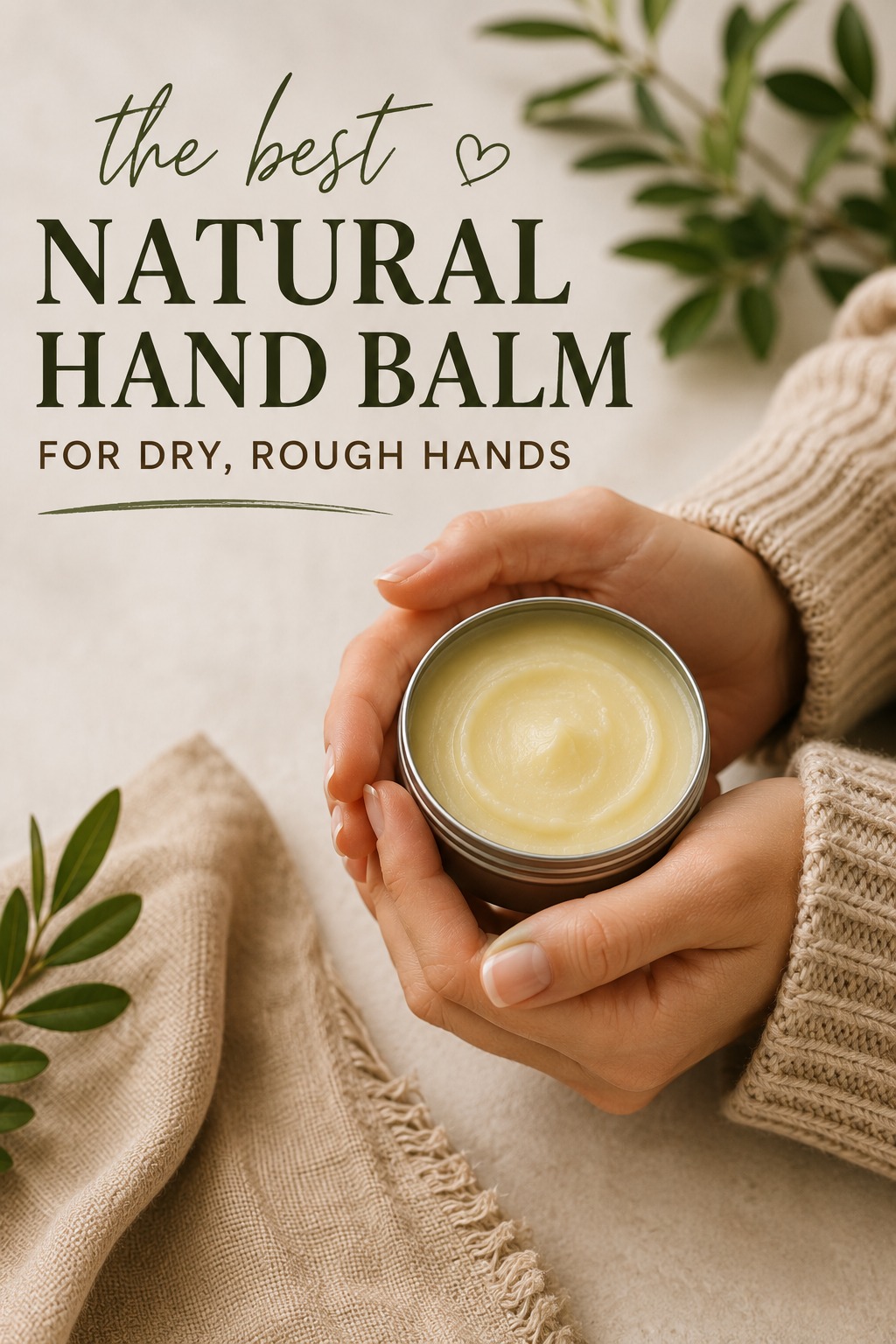
The Best Natural Hand Balm For Dry Hands
Brand: Badger
This article contains affiliate links. As an Amazon Associate we earn from qualifying purchases — at no extra cost to you.
Shop on Amazon →If your hands constantly feel dry, rough or cracked no matter how many lotions you reach for, the problem is often not how often you are moisturising — it is what you are moisturising with. Most drugstore hand creams are water-based lotions that feel pleasant for a few minutes and then quickly evaporate, leaving the skin no better off than before. For genuinely dry, weathered or chapped hands, you need something with more staying power.
That is exactly what a hand balm is, and why people who try a good one rarely go back to lotion. The product driving a lot of attention in the natural beauty world right now is the Badger Hardworking Hands Healing Balm — Badger's original product, the one that built the entire company three decades ago, and still one of the most reliable answers to the problem of hands that just will not stay soft.
What Is A Hand Balm?
The difference between a lotion and a balm is mostly about water. Lotions and creams are water-based emulsions — a quick burst of hydration that absorbs fast but also evaporates fast. Balms are waterless. Built on rich plant oils and natural waxes like beeswax, they form a protective layer on the surface of the skin that locks in moisture and physically shields against further drying out from cold air, wind, hand washing or rough work.
The trade-off is texture. A balm is thicker, richer, and takes a moment longer to absorb than a quick-drying lotion. The reward is that it actually lasts — through hand washing, through a windy walk, through a few hours of housework — instead of disappearing the moment you put the bottle down.
Why People Are Switching To Natural Hand Balms
The clean beauty world's growing interest in balms is partly about how they work and partly about what they let formulators leave out. A well-made balm needs very few ingredients — a base oil, a wax, maybe a botanical or two — instead of the long list of synthetic emulsifiers, preservatives and fragrance compounds that water-based lotions typically need to stay stable on the shelf.
The result is a category of products with refreshingly short ingredient lists, none of the synthetic fragrance that triggers reactive skin, and none of the petroleum-derived ingredients (like petrolatum and mineral oil) that still dominate the conventional hand cream aisle. For anyone with sensitive skin, gardening hands, or hands that take a daily beating from work or weather, the switch is usually quick and lasting.
How To Use It
The technique matters more than people expect. Warm a small amount between your fingertips — body heat softens the balm and makes it spread further than it looks like it should — then work it into clean hands, paying particular attention to knuckles, cuticles, and any cracked or rough patches. A little genuinely goes a long way, so resist the temptation to dig out a larger scoop than you need.
It is especially useful as an overnight treatment. A thicker application before bed, ideally with a pair of cotton gloves over the top, will deliver the most dramatic results — most people wake up to hands that feel noticeably softer than they have in weeks. For daytime use, the same balm works well after every hand wash to replace the natural oils that soap strips away.
Choosing A Good Natural Hand Balm
Not every hand product calling itself a balm actually qualifies, and a few label details make a real difference to whether one is worth the money. When shopping, look for:
- A genuine balm format, not a lotion — water-free, oil-and-wax based, with no aqua or "water" near the top of the ingredient list.
- Petrolatum-free — most drugstore hand creams rely on petroleum-derived occlusives; clean beauty alternatives use beeswax and plant oils instead.
- A short, recognisable ingredient list — plant oils and waxes you can pronounce, no synthetic fragrance, no parabens or unnecessary fillers.
- USDA Organic or equivalent third-party certification — verifies the ingredients are what they claim to be and grown without synthetic pesticides.
The hand balm I keep coming back to is the Badger Hardworking Hands Healing Balm in the 2oz tin — it ticks all four boxes with room to spare. The formula is just five organic ingredients (extra virgin olive oil, beeswax, castor oil, aloe vera and wintergreen essential oil), USDA Certified Organic, petrolatum-free, and built around the same simple olive-oil-and-beeswax base that founder Bill Whyte first mixed up by hand for his own cracked carpenter's hands in the 1990s. The recycled metal tin is plastic-free, refillable in spirit if not by design, and built to live on a bedside table for years. The whole thing is made by a family-owned, women-led, B Corp-certified company in New Hampshire using 100% solar power — the kind of considered detail that does not directly affect how the balm performs but does say something about how the company makes everything else.
Two honest caveats worth knowing. The wintergreen essential oil gives the balm a distinctive minty-earthy scent that some people love and some find too strong — if you are sensitive to scented products, Badger also makes an unscented version with just two ingredients (olive oil and beeswax) that may suit you better. Second, the formula contains beeswax, so it is not vegan if that matters for your routine.
Final Thoughts
The best hand balm is the one that quietly earns a permanent spot on your bedside table — the one you reach for every night without thinking about it, and that gradually makes the problem you bought it for stop being a problem. Badger's original balm has been doing that job for people for thirty years. Five organic ingredients, an unfussy tin, a formula that has not needed reinvention because it worked the first time.
Sometimes the best skincare is the simplest, and the longest-running answers are the ones still standing for a reason.